How to Save for Your First Home: A Realistic Guide
Buying your first home is one of the most exciting financial milestones you can reach. However, staring down a massive down payment requirement can feel incredibly overwhelming. The good news? You don’t need a windfall to make it happen. With a strategic approach and consistent habits, you can build your home fund faster than you think.
Here is a practical, step-by-step guide to saving for your first home.
1. Establish a Concrete Target
Before you start saving, you need to know exactly what you are aiming for. Research the property market in your desired area to set a firm baseline. While a 20% down payment is ideal to avoid private mortgage insurance, many first-time buyer programs accept as little as 3% to 5%.
Don’t forget the hidden expenses: always add an extra 3% to 5% buffer to your goal to cover property taxes, legal fees, closing costs, and immediate move-in expenses.
2. Isolate the Funds
Keep your home savings entirely separate from your everyday checking account. If you leave your down payment money where you pay for groceries and bills, you are much more likely to accidentally spend it.
Instead, park your cash in a dedicated high-yield savings account. This not only creates a psychological barrier against spending it, but it also allows compound interest to actively grow your balance, shortening your overall savings timeline.
3. Automate Your Contributions
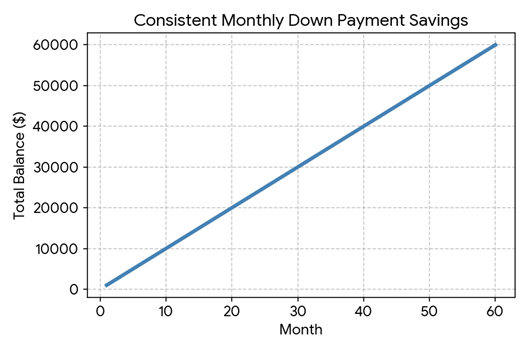
Consistency is your biggest asset. Set up an automated monthly transfer from your checking account to your dedicated house fund. By scheduling this transfer for the day after your paycheck arrives, you “pay yourself first” and remove the temptation to spend the money.
If you have fluctuating business income or freelance revenue, set your baseline automated transfer based on your lowest-earning months. When you hit a surplus from large projects or seasonal spikes, manually funnel that extra revenue directly into your savings.
4. Optimize Everyday Cash Flow
The discipline of tracking daily expenses builds the exact budgeting muscle needed to maximize your savings rate. Take an hour to audit your monthly outflows. Look for subscriptions you no longer use, negotiate your internet bill, and be mindful of household utility consumption. Redirect the funds saved from these trimmed expenses straight toward your down payment.
Final Thoughts
Saving for a house is a marathon, not a sprint. Celebrate the small milestones along the way, whether it is hitting your first $1,000 or reaching the halfway mark. By setting a clear goal, automating your savings, and optimizing your daily spending, the keys to your first home will be in your hands before you know it.