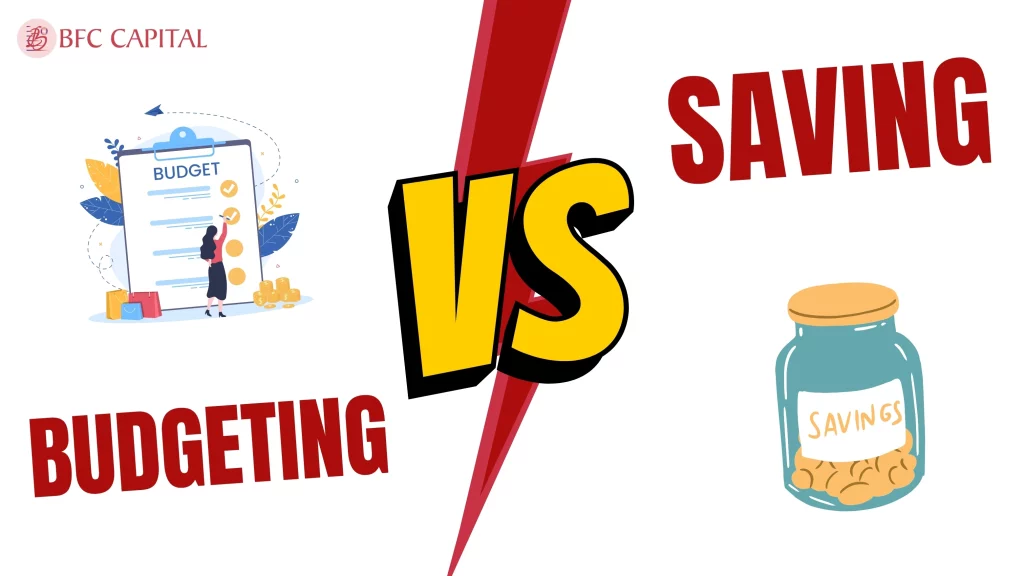
Budgeting vs. Saving: What’s the Difference? (And Why You Need Both)
SEO title tag: Budgeting vs. Saving: What’s the Difference? | Simple Guide
Meta description: Budgeting and saving aren’t the same thing. Learn the key differences, how they work together, and a simple step-by-step plan to master both. (153 characters)
URL slug: /budgeting-vs-saving-difference
Primary keyword: budgeting vs saving
Secondary keywords: difference between budgeting and saving, how to budget, how to save money, 50/30/20 rule, emergency fund, personal finance tips
Introduction
If you’ve ever said “I’m budgeting” when you meant “I’m saving,” you’re not alone.
Additionally, these two money habits are often confused, yet they do very different jobs.
Budgeting vs. Saving: What’s the Difference? helps explain why it’s a first step toward financial stability.
In this guide, you’ll learn what each term means.
Additionally, you’ll learn how they differ and how they work together.
Finally, you’ll see how to start both today.
What Is Budgeting?
Budgeting is a plan for how you’ll spend your money. It maps your income against your expenses, so every dollar has a job before the month begins.
A basic budget includes:
- Income: salary, freelance earnings, side hustles
- Fixed expenses: rent, loan payments, insurance
- Variable expenses: groceries, fuel, dining out, entertainment
- Savings and debt goals: the amounts you intend to set aside or pay down
Image idea: A monthly budget planner and calculator on a desk.
Alt text: “Monthly budget planner with calculator for tracking income and expenses”
What Is Saving?
Saving is the act of setting money aside for the future instead of spending it now. Savings can go toward:
- An emergency fund for unexpected costs
- Short-term goals like a vacation, laptop, or wedding
- Long-term goals like a home down payment or retirement
Saving is the action. Budgeting is the plan that makes it possible.
Image idea: A clear piggy bank or savings jar filling with coins.
Alt text: “Savings jar with coins representing building an emergency fund”
Budgeting vs. Saving: Key Differences
| Feature | Budgeting | Saving |
|---|---|---|
| What it is | A spending plan | Money set aside for later |
| Focus | Managing income and expenses | Building financial security |
| Time frame | Usually monthly | Short, medium, and long term |
| Goal | Control spending, avoid overspending | Reach goals, prepare for emergencies |
| Tools | Spreadsheets, apps, planners | Savings accounts, CDs, investment accounts |
| Result | Clarity about where money goes | A growing financial cushion |
In short: budgeting tells your money where to go, and saving is one of the places it goes.
How Budgeting and Saving Work Together
Many people try to save what’s left at month’s end. Usually, nothing is left. A budget fixes this by making savings a line item, just like rent, Budgeting vs. Saving: What’s the Difference?
Example: If you earn $3,000 a month and your budget sets aside $300 for savings, that money is protected before you spend on anything else. This approach is often called “paying yourself first.”
Without a budget, saving depends on willpower. With a budget, saving becomes automatic.
Which Comes First: Budgeting or Saving?
Budget first. You can’t reliably save until you know where your money is going. Here’s the order most financial experts recommend:
- Create a budget to see your real income and spending.
- Build a starter emergency fund (even $500 to $1,000).
- Pay down high-interest debt.
- Grow your emergency fund to cover 3 to 6 months of expenses.
- Save for goals and retirement.
A Simple Method: The 50/30/20 Rule
If you’re new to budgeting, the 50/30/20 rule is an easy starting point:
- 50% Needs: rent, utilities, groceries, minimum debt payments
- 30% Wants: dining out, hobbies, subscriptions
- 20% Savings and extra debt payments
Adjust the percentages to fit your life. If your rent is high, you may need 60/20/20 for a while.
Image idea: A 50/30/20 budget rule infographic.
Alt text: “50/30/20 budget rule infographic showing needs, wants, and savings”
7 Practical Tips to Budget and Save Better
- Track every expense for 30 days. Awareness is the first step.
- Automate your savings. Set a transfer for the day you get paid.
- Name your savings goals. “Japan trip fund” motivates more than “savings.”
- Use separate accounts. Keep spending and savings apart.
- Review your budget monthly. Life changes, and so should your plan.
- Cut one recurring expense. Cancel an unused subscription and redirect that money.
- Celebrate small wins. Hitting a milestone builds the habit.
Common Mistakes to Avoid
- Treating a budget as a punishment. A good budget includes fun money.
- Not having an emergency fund, which pushes you toward credit cards when surprises happen.
- Setting unrealistic savings targets. Start small and build up.
- Never revisiting your budget. An outdated budget stops working.
Frequently Asked Questions
Is budgeting the same as saving?
No. Budgeting is planning how to spend your money, while saving is setting money aside for future use.
Can I save money without a budget?
You can, but it’s harder. A budget shows how much you can afford to save and keeps you consistent.
How much should I save each month?
A common guideline is 20% of your income, but any amount is a good start.
What’s the best budgeting method for beginners?
The 50/30/20 rule is simple and flexible. Zero-based budgeting and the envelope method are also popular.
What’s the difference between saving and investing?
Saving prioritizes safety and easy access (like a savings account). Investing aims for higher long-term growth but carries risk.